
Your hair, especially textured hair, is a powerful indicator of your internal health. It's crucial to pay close attention to any unusual changes. Across social media, we're seeing countless women lamenting significant hair shedding or a noticeable loss of fullness, even when their routine seemed perfect. If you're experiencing substantial hair loss alongside other concerning symptoms, it's vital to consult a healthcare professional.
We'll explore key signs that could point to an iron deficiency and share practical tips to help you maintain vibrant, dense hair every day.
Before we begin...
Anemia and iron deficiency are often confused.
Anemia is when the blood doesn't contain enough hemoglobin to properly transport oxygen throughout the body.
Iron deficiency is a lack of iron, which is necessary to produce hemoglobin. One can lack iron without being anemic, but if there isn't enough iron for too long, it can lead to anemia.
Essentially, not all anemias are due to a lack of iron, but iron deficiency can eventually cause anemia if left untreated.
What causes iron deficiency?
1.5 billion people worldwide suffer from iron deficiency, but it primarily affects pregnant women, women of childbearing age, and children.
Beware of heavy periods
Heavy periods can lead to iron deficiency in women for several reasons. During menstruation, the body loses blood, which contains hemoglobin, an iron-rich protein. If periods are particularly heavy, the amount of blood and thus iron lost can be significant.
On average, a woman loses between 40 and 50 ml of blood during her period, but with heavy periods, this amount can reach 80 ml or more. Given that every 100 ml of blood contains approximately 50 mg of iron, very heavy periods can quickly lead to a significant loss of iron.
To compensate for this loss, it's important to have a sufficient iron intake in the diet. However, if dietary intake is inadequate or if blood loss is too significant, this can lead to iron deficiency, also known as iron-deficiency anemia.
It is therefore essential for women with heavy periods to monitor their iron levels and consult a healthcare professional if they experience symptoms of iron deficiency.
What are the symptoms?
Here is a list of symptoms you might experience:
- Hair loss
- Fatigue
- Depression
- Restless legs syndrome
- Brittle nails
- Dry skin
- Pale complexion
- A general decrease in immunity
- Decreased thyroid function (cold sensitivity, constipation, weight gain...)
How to restore my hair mass?
DIET is the foundation; if you want beautiful hair, healthy skin, and simply to be in good health, you must have a healthy and varied diet.
Some foods are assimilated less effectively than others. There are two main categories of iron-rich foods, differentiated by how our body absorbs iron.
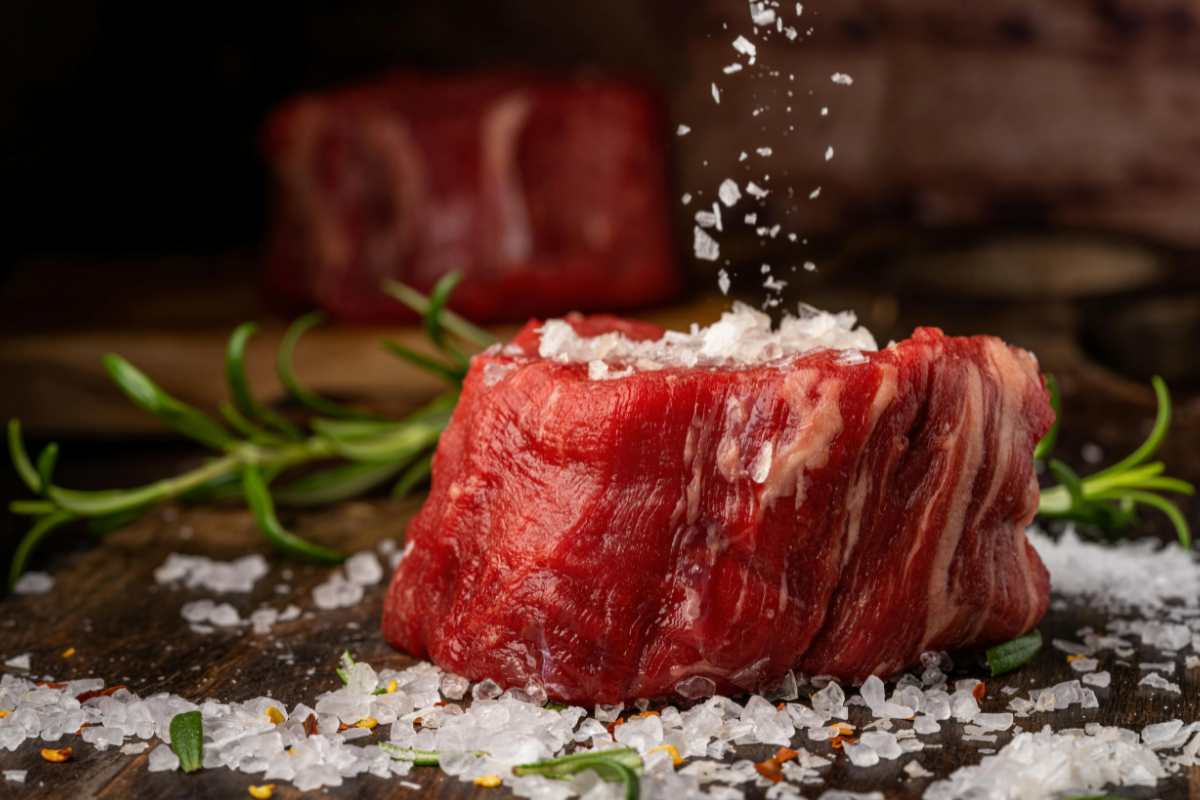
Heme Iron
This type of iron is found in animal-derived foods and is better absorbed by the body. Sources of heme iron include red meat, poultry, seafood, fish, or organ meats, such as liver.
Non-Heme Iron
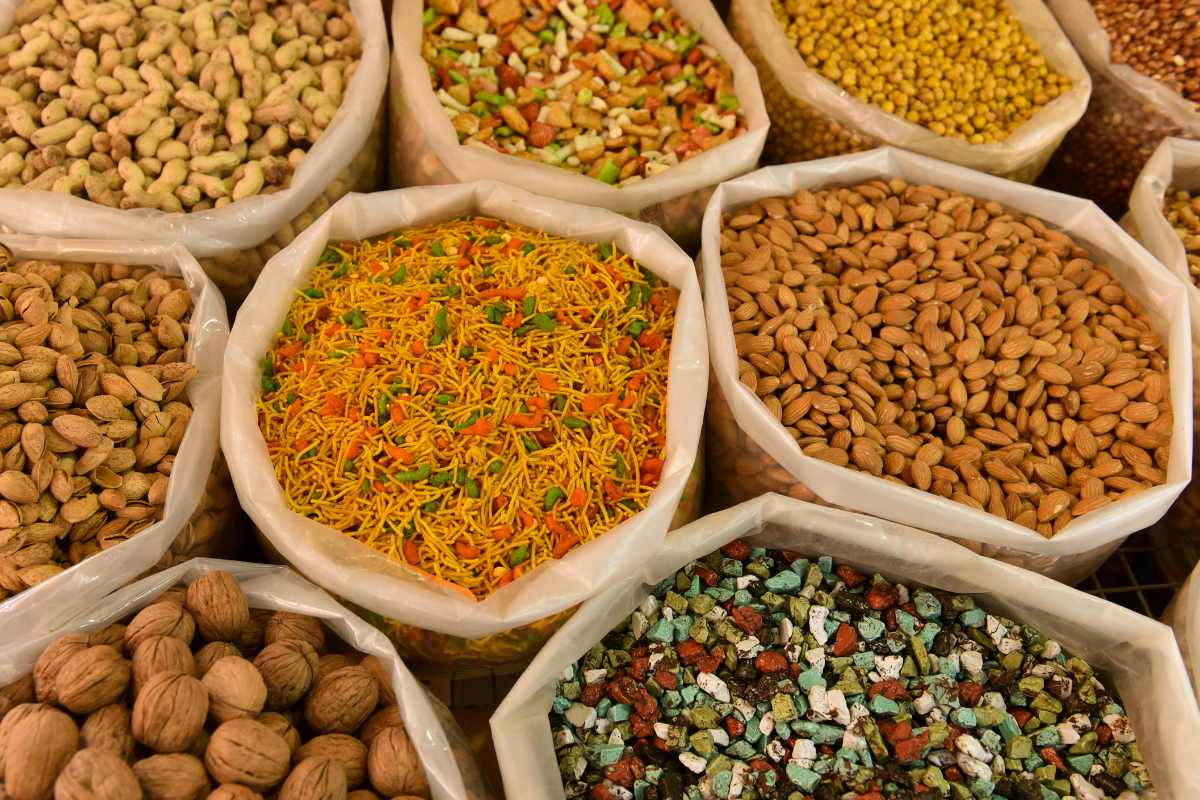
This iron is found in plant-based foods. Although it is less well absorbed than heme iron, it remains an important source of iron, especially for people following a vegetarian or vegan diet. Sources of non-heme iron include legumes, whole grains and cereals, dark green leafy vegetables, nuts and seeds, or dried fruits.
To optimize the assimilation of iron from plant sources, it is recommended to pair them with foods containing vitamin C, which promotes this absorption. For example, drinking a glass of fresh orange juice with a meal including spinach or lentils can contribute to better iron absorption.
I have a varied diet but still have an iron deficiency...
It is true that some people cannot properly assimilate iron. A frequently overlooked factor is the health of the digestive system. Indeed, issues such as intestinal permeability, chronic constipation, and general digestive inflammation can reduce the efficiency with which iron is absorbed by the intestinal membrane, especially in the presence of substances like gluten and casein.
I am not a doctor, but I wanted to inform you about a potential cause for your hair loss; there may be others.
The best solution is to consult a healthcare professional or a nutritionist for personalized advice.
By following these recommendations, you should be able to increase your iron intake and improve your overall health. Remember that dietary balance is key to good nutrition.