
Afro-textured hair has always captivated, both for its unique texture and its powerful symbolism. However, this hair type can sometimes conceal an unsuspected fragility. Many women—and men too—experience hair loss, often without understanding its root cause. It's not always about large clumps falling out, but rather a gradual thinning, especially around the temples or crown. And the problem is, we often realize it when it's already too late.
However, this isn't a lost cause. Effective solutions exist, but first, it's crucial to understand what makes Afro hair so unique. Next, identify the practices to avoid and adopt the right habits. It's all about balance: care, gentleness, and consistency.
Why is afro-textured hair naturally more sensitive?
Afro-textured hair is not just different; it's unique. Its spiral shape, sometimes very tight, prevents sebum from circulating properly down to the ends. It is widely recommended to use an effective triphasic hair treatment for afro hairstyles to prevent hair from remaining dry, generally rough, and thus more prone to breakage.
Add to this daily friction, tight hairstyles, unsuitable products, and you get a fertile ground for hair loss. It's no wonder many people experience a loss of density over time.
What is the structure of afro hair and why does it need targeted care?
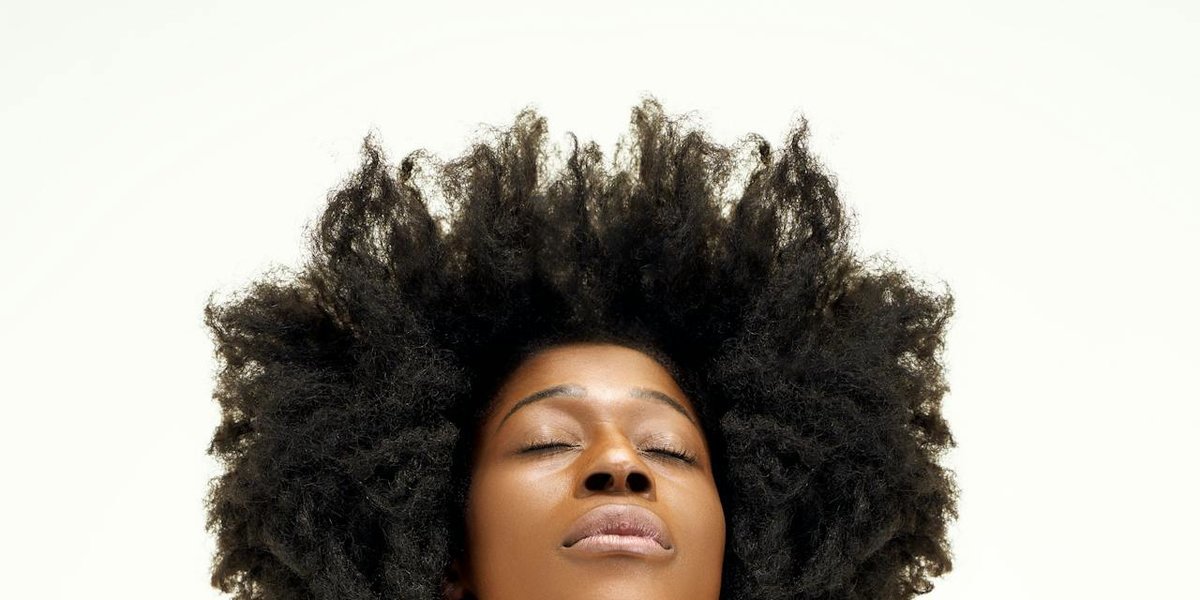
Contrary to popular belief, afro hair is not thick. In reality, its structure is fine, but very coiled. What gives it volume are the curls, not its robustness.
Therefore, this hair needs specific care: richer, more nourishing, more regular. Vegetable oils, yes, but also suitable treatments. And above all, avoid products full of silicone or alcohol, which suffocate the scalp.
How does the scalp influence hair health?
We often forget, but everything starts at the root. An irritated, dry, or suffocated scalp cannot produce beautiful hair.
Gentle massages, non-aggressive shampoos, hydration... that's what makes the difference in the long term. A healthy scalp is a bit like well-nourished soil: hair grows better and stronger there.
What habits can weaken hair without us realizing it?
Sometimes, errors hide in the simplest actions:
- Braids that are too tight,
- Sleek buns every day,
- Even a hair tie that's too thin (it pulls, it breaks, it fatigues the hair).
We think we're doing well, but eventually, the scalp protests. This is where the effective triphasic hair treatment for afro hairstyles can truly make a difference. It helps strengthen the bulb, stimulate circulation, and limit hair loss. Not magic, but frankly useful.
How to identify early signs of discomfort or weakening?
You need to pay attention. If you start to feel itching, tingling, or if you notice that your hair breaks just by touching it... that means there's a problem.
A receding hairline is also a signal. You shouldn't wait until the bald spot is visible. It's better to react early, adjust your routine, and consult if necessary.
Does daily maintenance impact hair loss?
Oh yes, it does. It's the small actions, every day, that make the difference. Moisturizing the ends, sleeping with a satin bonnet, not brushing dry hair... all of that matters.
It's not about doing too much, but about doing it well. A simple, yet regular routine can truly change everything.
Afro hair loss is not an inevitability, but a signal. A signal that it's time to listen to your hair, understand it, and give it what it needs. Targeted care, daily attention, and a little patience too. With the right products, like the effective triphasic hair treatment for afro hairstyles, and adapted practices, it's possible to limit breakage and restore healthy hair. Because deep down, every curl deserves its chance.